
03.10.26 · 5 min read
This playbook explains how to run events strategically—from choosing the right format based on account stage (sports outings for warm prospects, intimate dinners for pipeline acceleration, unique experiences for cold accounts) to building operational infrastructure behind the scenes. Teams should treat event registration like a demand gen funnel by capturing structured data, enriching attendees automatically, scoring them against the ICP, and manually curating the room to ensure high-quality conversations.
Most companies treat IRL events like a PR move. Rent a bar, invite a bunch of people, hope a salesperson leaves with a good business card. Maybe post some photos on LinkedIn the next day.
That's not a strategy. That's spending money and hoping.
The teams doing IRL right treat it like any other high-intent pipeline channel. Precise targeting, real enrichment, ops that scale.
Here's the full playbook.
The best GTM teams are running every channel well. But the ones pulling ahead are also doing the thing that's hardest to replicate at scale: getting in a room. You can't automate someone sitting across from you at a good dinner, or the conversation that happens in the third quarter of a game when the pressure's off and people actually talk. That trust is real and it compounds. IRL is the channel that makes everything else work better.
The catch is that most teams waste it by treating IRL as vibes-only spend. The playbook below fixes that.
Not all IRL events serve the same purpose. Match the format to where the account is.
Sports tickets and concerts work best for mid-funnel accounts you've already warmed. High desirability, low pressure, good for building a personal relationship with someone who already knows who you are.
Intimate dinners (8-15 people, founder or exec hosted, agenda-light) tend to move the needle fastest on pipeline. Extended face time, real conversations, people leave having actually said something honest. These are the highest ROI format we've seen consistently.
Unique experiences like cooking classes, tastings, golf, or behind-the-scenes access work well for accounts you're trying to break into cold. It's a reason to reach out that doesn't feel like a pitch.
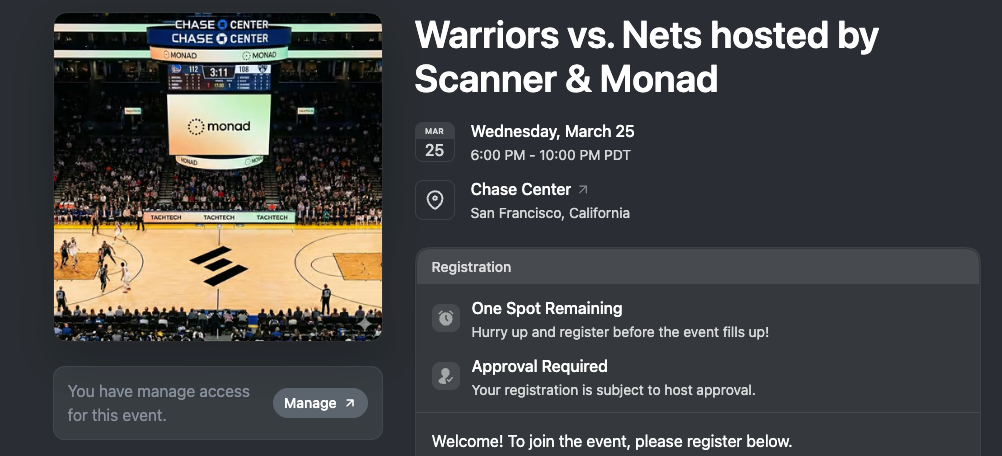
Use Luma or a similar tool to collect signups. This is where most teams stop paying attention. Don't.
It’s important to make certain fields, like LinkedIn, required to fuel clean, confident enrichment. Use a connector like Zapier to fire the data to Clay. The moment someone signs up, automatically enrich their data off LinkedIn. You want job title, seniority, company, headcount, industry, location, at minimum. Set this up so it happens without anyone touching it manually.
Then score them against your ICP. Not a vibe check, actual scoring criteria. Does this person have the title, company size, industry, and tech stack, that matches your best customers? What's the account's current stage in your CRM?

Route the scored list into a shared sheet. Have a human approve or deny each signup. Yes, manually. This takes 20 minutes and it's the most important 20 minutes in the whole process. The room you build is the product.
This is where most teams leave the most on the table.
Before the event, use the attendee list to trigger a targeted outbound sequence to other contacts at the same accounts. Not pitching, just creating awareness. One or two touches, plants a flag.
For prospects you've been trying to reach who haven't responded to outbound, the event invite is your best re-engagement tool. An invite to something genuinely desirable cuts through in a way a follow-up email never will. Personalize it. Tell them specifically why you thought of them.

After the event, the outbound motion kicks into a different gear. You now have real context. You were in the same room. You have something specific to reference. A follow-up that says "great to meet you at the game, wanted to pick up on what you mentioned about X" converts at a completely different rate than a cold sequence.
Don't let the event be a standalone moment. It's chapter one.
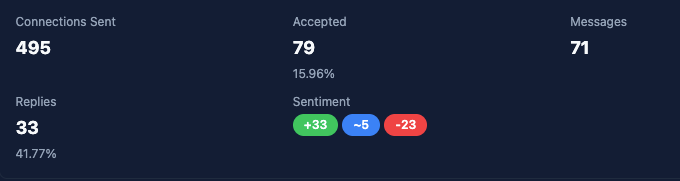
Track everything you'd track in any other channel. Who attended vs. who was approved. How many were in your ICP. Pipeline generated in the 30, 60, 90 days after. Revenue influenced. Cost per meeting generated from post-event outbound.
This data does two things. It tells you which formats are actually working and which are just fun. And it gives you the numbers to scale the program instead of fighting for budget every quarter.
The teams winning with IRL aren't the ones throwing the best parties. They're the ones who can show a pipeline number attached to every event.
IRL works because it's one of the few things in GTM that scales trust faster than any digital channel. But it only works if you treat it like a real campaign.
The event should feel effortless to the person attending. Behind the scenes, nothing about it should be.

If you're at the inflection point, technology proven, market waiting, and the canyon between them, we should talk.